Canada slipped into a shallow technical recession over the winter, with output falling at a 1% annualized pace in the fourth quarter of 2025 and edging down a further 0.1% in the first quarter of 2026. Vanguard's strategists argue the headline overstates the damage: temporary distortions from gold imports and a lull in defence spending masked resilient domestic demand, and the income side of the accounts looked considerably healthier than the expenditure side.
Even so, the firm has trimmed its 2026 growth forecast to 1.5%, with a modest improvement to 1.6% in 2027, and warns the outlook hinges on the fate of CUSMA. Higher oil prices help a major energy exporter through better trade volumes and national income, but they also squeeze household budgets and keep non-energy firms cautious.
Firms are holding on to existing workers and not accelerating layoffs. The problem is that they aren't hiring either.
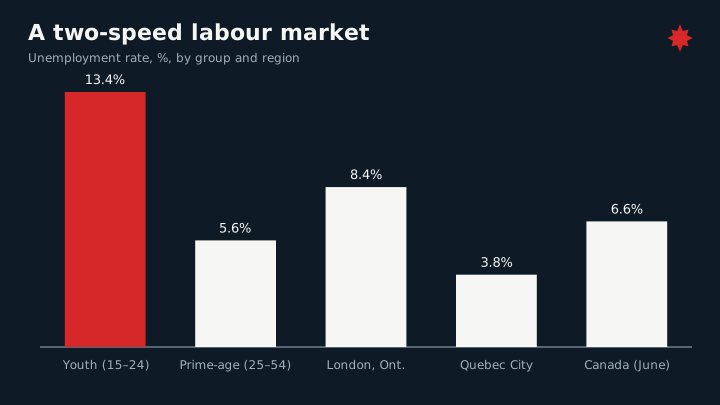
The labour market is described as low-hire, low-fire. More than 100,000 jobs were lost between January and April, the steepest drop since 2021, before a sharp rebound in May. The strain falls on new entrants: youth unemployment sat at 13.4% against 5.6% for prime-age workers, and the gap is partly structural. Over the past decade the number of university graduates has grown 63% while demand for degree-requiring jobs has risen only 16%. Regionally, manufacturing-heavy London, Ontario, had an 8.4% jobless rate while Quebec City's was 3.8%.
Vanguard sees little evidence that artificial intelligence is behind the weakness, or that it is yet lifting Canadian productivity in any measurable way; adoption is broad but early. With population now declining for three straight quarters, the economy also needs far fewer new jobs each month to keep unemployment stable, which is one reason the firm expects the rate to end the year near 6.5%.
On inflation, the message is that the story is headline volatility, not renewed underlying pressure. Core measures sit near 2%, rent and mortgage-interest inflation are cooling, and slower population growth should keep housing demand soft. Bond markets have priced in roughly one more Bank of Canada hike; Vanguard thinks it will not happen, and expects the policy rate to stay at 2.25% through the end of 2027.