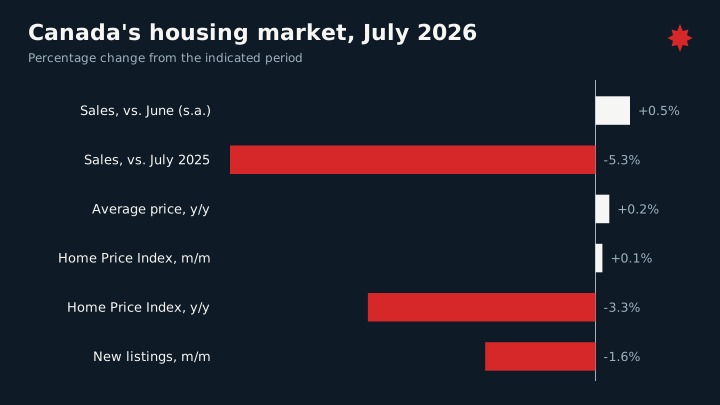
Canadian home sales in July were 5.3% lower than a year earlier, according to the Canadian Real Estate Association, with 43,578 properties changing hands through MLS systems. On a seasonally adjusted basis, however, activity edged 0.5% higher than in June, continuing a modest upward drift that has been under way for several months.
The national average sale price was $674,819, up 0.2% from July 2025. CREA's Home Price Index, which is designed to track a typical home rather than the mix of what happened to sell, rose 0.1% from June but was still 3.3% below its level a year ago. New listings fell 1.6% from June, which tightened the sales-to-new-listings ratio slightly.
Below the surface of the headline numbers, markets across the country are generally moving back toward balance.
That was the message from CREA senior economist Shaun Cathcart, who argued the more interesting story is regional. Saskatchewan, New Brunswick and Newfoundland and Labrador remain borderline sellers' markets. Elsewhere, inventory has been converging on long-term averages. Ontario, which spent the first four months of 2026 in buyers'-market territory, had a months-of-inventory reading only about half a standard deviation above normal by July — roughly halfway back to balance in six months.
TD economist Rishi Sondhi noted that national sales gains over the past four months have come almost entirely from Ontario, where improved affordability, ample supply and a low starting point for sales are gradually drawing buyers back. Other provinces have been flatter.
The backdrop remains challenging. The Bank of Canada has held its policy rate at 2.25% all year, population is now declining, and large condo inventories in Toronto and Vancouver continue to weigh on those markets. Still, the direction of travel, as Cathcart put it, is modestly the right one.