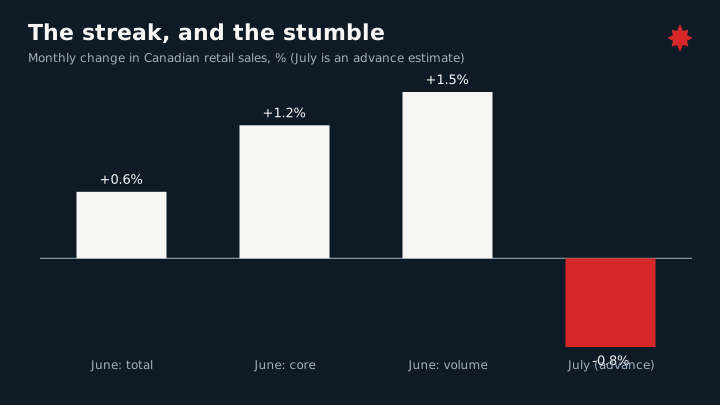
Canadian retail sales climbed 0.6% in June to $74.3 billion, marking a sixth consecutive monthly increase and a fitting cap to a quarter in which consumers proved sturdier than many had expected. In volume terms, adjusting for prices, sales rose 1.5%, a sign that the gain was not simply inflation showing up at the till.
The strength was widespread. Seven of nine retail subsectors grew, led by general merchandise stores and by clothing and accessories retailers. Core sales, which strip out the volatile gasoline and auto categories, rose 1.2%, their second straight advance. Car dealers posted a third consecutive monthly gain on the back of new-vehicle demand.
Gasoline stations were the notable exception, with dollar sales down 4.1% as pump prices eased from their spring peak. Strip out the price effect, though, and fuel volumes actually rose, which underscores how much of the retail picture this year has been shaped by energy costs rather than by changes in how much Canadians are buying.
The advance reading for July suggests the run of gains has ended, at least for now.
The forward-looking piece of the release was less cheerful. Statistics Canada's advance indicator, calculated from the roughly 57% of businesses that had responded so far, pointed to a 0.8% decline in July. The figure is preliminary and often revised by several tenths, but it would represent the first fall in retail sales since the beginning of the year.
A July dip would not be surprising. Consumers have been drawing down savings to keep spending, the personal saving rate has fallen to around 3.5%, and wage growth slowed in July even as hiring picked up. Add the uncertainty created by the breakdown of trade talks, and the second half of the year looks likely to test the resilience that carried the first.